
What Are Backlinks & Why Do They Matter For SEO?
- Ashley Wilson
- May 19
- 3 min read
Search engine optimization relies on many ranking factors, but backlinks continue to play a critical role. If you are trying to improve search visibility or understand how websites gain authority, knowing What Are Backlinks & Why Do They Matter For SEO? is essential. This guide explains backlinks in simple terms, their types, and how they influence search engine rankings.
What Are Backlinks?
Backlinks, also known as inbound links, are links from one website to another. When a website links to your page, it signals to search engines that your content may be useful or trustworthy. Search engines treat these links as indicators of credibility rather than endorsements.
For example, if a reputable blog links to your article, search engines view that link as a positive signal. However, not all backlinks carry the same value. The quality, relevance, and source of a backlink matter more than the number of links pointing to your site.
Why Backlinks Matter for SEO
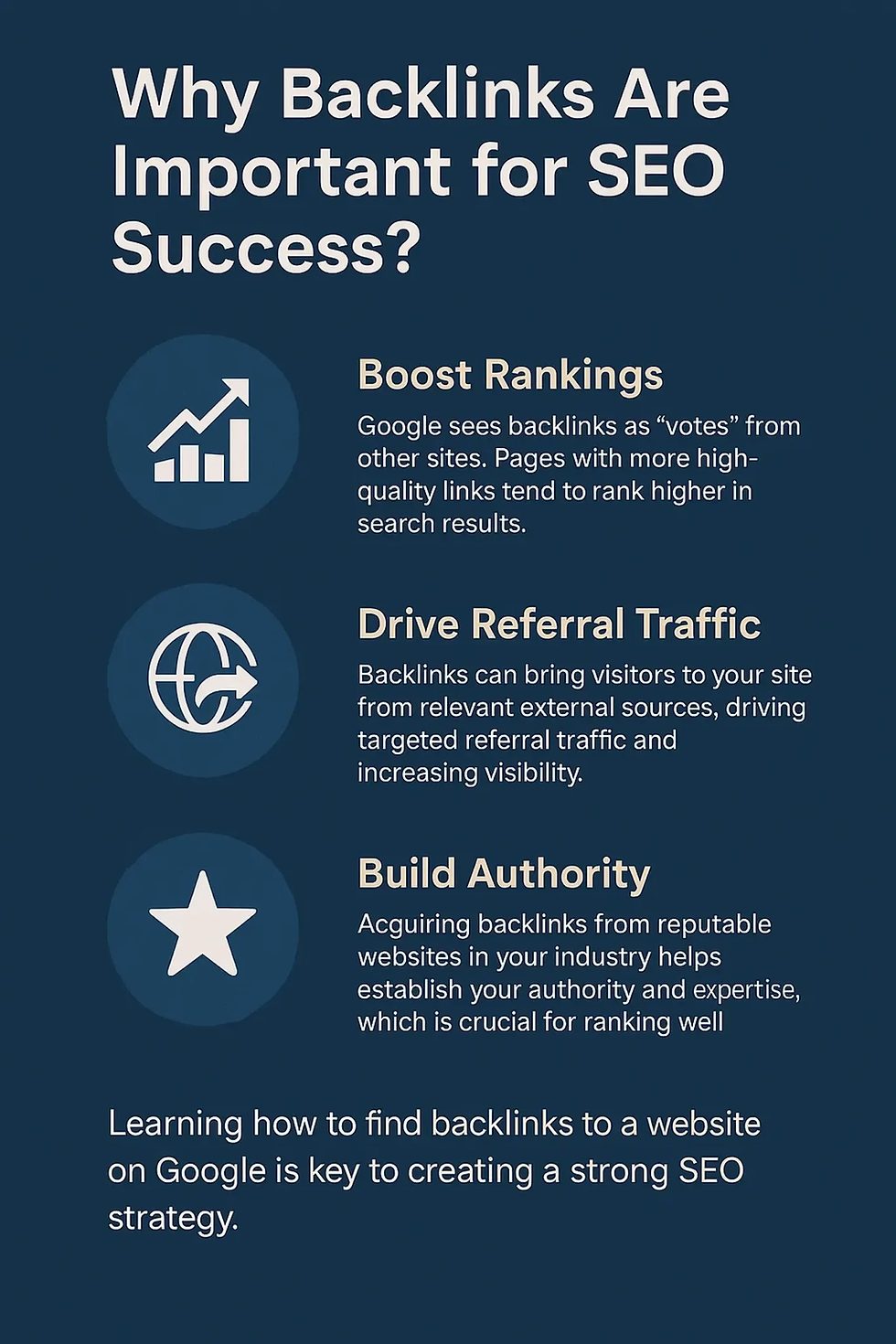
Understanding What Are Backlinks & Why Do They Matter For SEO? requires looking at how search engines rank pages. Backlinks influence SEO in several important ways.
Improve Search Engine Rankings
Search engines use backlinks to assess the authority of a page. Websites with high-quality backlinks often rank higher in search results than those without them. A page linked by trusted sources is more likely to be considered reliable.
Increase Website Authority
Backlinks contribute to your site’s overall authority. When authoritative websites link to your content, it strengthens your domain’s credibility. This can help multiple pages on your website perform better in search results.
Help Search Engines Discover Content
Search engines use links to find and index new pages. If your website earns backlinks, search engine crawlers can discover your content faster. This is especially important for new websites or recently published pages.
Types of Backlinks You Should Know
Not all backlinks affect SEO in the same way. Understanding their differences helps you focus on building valuable links.
Dofollow Backlinks
Dofollow links pass authority from one site to another. These links directly impact rankings and are the most valuable for SEO. Most natural editorial links are dofollow unless specified otherwise.
Nofollow Backlinks
Nofollow links include a tag that tells search engines not to pass authority. While they do not directly boost rankings, they can still drive traffic and improve brand visibility.
High-Quality Backlinks
These come from relevant, authoritative websites within your niche. A single high-quality backlink can be more valuable than many low-quality ones.
Low-Quality Backlinks
Links from spammy or irrelevant websites can harm SEO. Search engines may ignore them or, in some cases, penalize websites with unnatural link patterns.
What Makes a Backlink Valuable?
Several factors determine the strength of a backlink.
Relevance of the Linking Website
Links from websites related to your industry or topic carry more weight. For example, a marketing blog linking to an SEO article is more relevant than a link from an unrelated niche.
Authority of the Source
Websites with strong authority pass more value through their backlinks. Authority is built through consistent, quality content and a trustworthy online presence.
Anchor Text Usage
Anchor text is the clickable text of a link. Natural, descriptive anchor text helps search engines understand what the linked page is about. Over-optimized anchor text should be avoided.
How to Earn Backlinks Naturally
Building backlinks should focus on quality rather than shortcuts. Ethical link-building methods produce long-term SEO benefits.
Create Informative Content
Well-researched, helpful content attracts backlinks naturally. Guides, tutorials, and data-driven articles are more likely to be referenced by other websites.
Publish Guest Articles
Writing guest posts for relevant websites helps you earn backlinks while reaching new audiences. Ensure the content is valuable and aligns with the host site’s standards.
Build Relationships Within Your Industry
Networking with bloggers, editors, and content creators can lead to natural linking opportunities. Genuine relationships often result in organic backlinks.
Common Backlink Mistakes to Avoid
While learning What Are Backlinks & Why Do They Matter For SEO?, it is equally important to know what not to do.
Buying Backlinks
Purchased links violate search engine guidelines and can lead to penalties. Search engines are effective at detecting unnatural link patterns.
Focusing Only on Quantity
A large number of low-quality links does not improve rankings. Fewer high-quality backlinks are more effective and safer for SEO.
Ignoring Link Diversity
A natural backlink profile includes a mix of sources, anchor texts, and link types. Relying on a single source looks unnatural to search engines.
Conclusion
Backlinks remain one of the strongest signals used by search engines to evaluate websites. Knowing What Are Backlinks & Why Do They Matter For SEO? helps you understand how authority, trust, and rankings are built online. By focusing on quality content, relevance, and ethical link-building practices, backlinks can significantly improve your website’s search performance over time.
Comments