
SEO in 2026: Recognition Over Ranking
- Ashley Wilson
- May 14
- 3 min read
Search engine optimization has entered a new phase. For years, success was measured almost entirely by keyword positions on search engine results pages. While rankings still matter, they are no longer the sole indicator of performance. Today, SEO’s new goal in 2026: Recognition, not rankings reflects a broader shift toward visibility, credibility, and audience trust.
Search engines are prioritizing how users interact with brands, not just where a website appears. This change requires businesses to rethink how they approach content, optimization, and online presence.
Why Traditional Rankings Are No Longer Enough
Search engines have become more advanced in understanding intent, context, and authority. A website ranking first for a keyword does not automatically mean it is the most trusted or recognized source.
Several factors have reduced the dominance of rankings alone:
Search results now include featured snippets, knowledge panels, and AI-generated summaries
Users often get answers without clicking through to websites
Brand familiarity influences which results users trust and choose
As a result, ranking high without recognition may still limit traffic, engagement, and conversions.
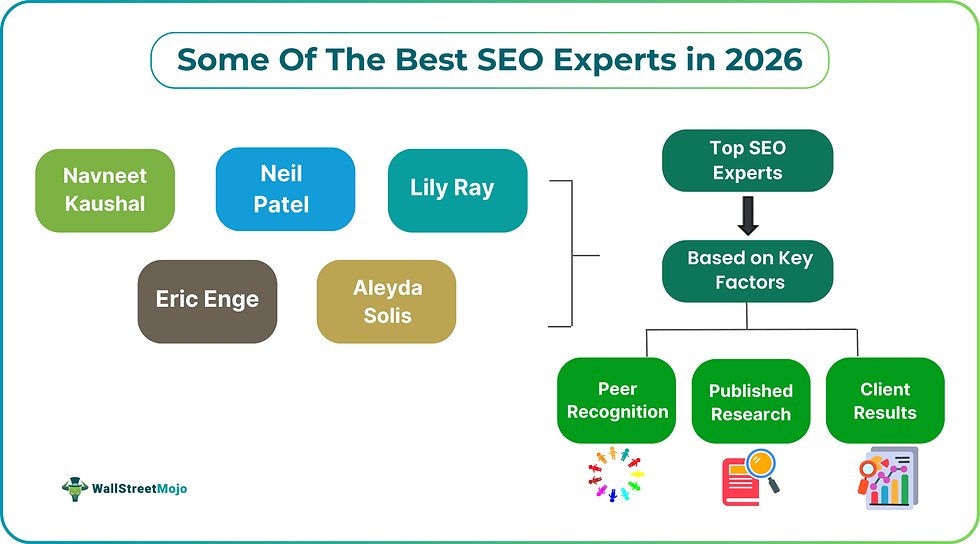
The Meaning of Recognition in Modern SEO
Recognition in SEO refers to how well a brand or website is known, trusted, and referenced across the web. It is about being remembered and identified as a reliable source of information within a specific topic or industry.
Brand Awareness in Search Results
When users repeatedly see a brand name across articles, forums, videos, and search features, it builds familiarity. Search engines notice this behavior and associate the brand with authority.
Recognition is developed through:
Consistent publishing of high-quality content
Clear topical focus
Mentions across reputable websites
User engagement and return visits
This type of visibility often leads to stronger long-term performance than ranking-focused tactics.
How Search Engines Measure Recognition
Search engines use multiple signals to assess whether a brand or website deserves trust and visibility.
Entity-Based Search Understanding
Search engines now treat brands as entities rather than just websites. This means they connect your content with your brand name, expertise, and history across the web.
Key signals include:
Branded search queries
Mentions without backlinks
Consistent author or brand attribution
Content relevance within a niche
The more clearly a brand is recognized as an authority, the more likely it is to appear prominently across different search features.
Content Strategy for Recognition-Focused SEO
Content remains central to SEO, but its purpose has changed. Instead of producing articles solely to rank for keywords, content should aim to inform, clarify, and build trust.
Writing for People First
Search engines reward content that answers questions accurately and completely. Writing for people encourages natural engagement, longer time on page, and repeat visits.
Effective content strategies include:
In-depth topic coverage rather than surface-level posts
Clear structure with headings and logical flow
Consistent tone and subject expertise
Avoiding repetition and unnecessary filler
This approach aligns with recognition-driven SEO goals.
The Role of Authority and Expertise
Authority is built over time. It cannot be created overnight with keyword placement alone.
Demonstrating Expertise Through Consistency
Publishing content regularly within a defined topic area helps search engines associate your website with that subject. Over time, this builds topical authority.
Supporting actions include:
Updating older content to maintain accuracy
Linking related articles internally
Citing reliable sources where appropriate
Maintaining consistent branding and messaging
These efforts reinforce recognition and credibility.
User Signals Matter More Than Ever
User behavior plays a major role in SEO performance. When users trust a brand, they are more likely to click, read, and return.
Important user signals include:
Click-through rates on branded searches
Time spent on content
Repeat visits
Engagement across multiple pages
Recognition strengthens all of these signals, helping websites perform well even in competitive search environments.
Preparing Your SEO Strategy for 2026
To stay competitive, businesses must move beyond ranking-focused optimization and embrace recognition-driven SEO.
Practical Steps to Take Now
Build content around topics, not isolated keywords
Strengthen brand presence across platforms
Focus on clarity, accuracy, and usefulness
Monitor branded search growth, not just keyword positions
These steps align SEO efforts with how search engines evaluate trust and relevance.
Conclusion
SEO is no longer about chasing rankings alone. As search technology evolves, success depends on how well a brand is recognized and trusted by both users and search engines. Embracing SEO’s new goal in 2026: Recognition, not rankings allows businesses to build sustainable visibility, stronger authority, and lasting search performance.
By focusing on quality, consistency, and credibility, SEO becomes a long-term asset rather than a short-term tactic.
Comments