
How to Write Articles for LinkedIn: A 2026 Guide
Writing long-form content on LinkedIn has evolved significantly over the years. In 2026, professionals are no longer using LinkedIn articles only to share updates—they are using them to build authority, explain expertise, and create long-term visibility. This guide explains How to Write Articles for LinkedIn: A 2026 Guide that aligns with current reader behavior and platform expectations.
Whether you are a marketer, consultant, business owner, or job seeker, understanding how to structure and publish LinkedIn articles correctly can help your content reach the right audience and remain relevant.
Why LinkedIn Articles Still Matter in 2026
LinkedIn articles are indexed, searchable, and designed for in-depth reading. Unlike short posts, articles allow professionals to explain ideas clearly without character limits. In 2026, readers expect clarity, structure, and value from long-form content.
Articles on LinkedIn work well because they:
Stay visible on your profile permanently
Build credibility over time
Attract decision-makers searching for insights
Support professional branding without promotional language
For these reasons, learning How to Write Articles for LinkedIn: A 2026 Guide is essential for anyone serious about professional content creation.
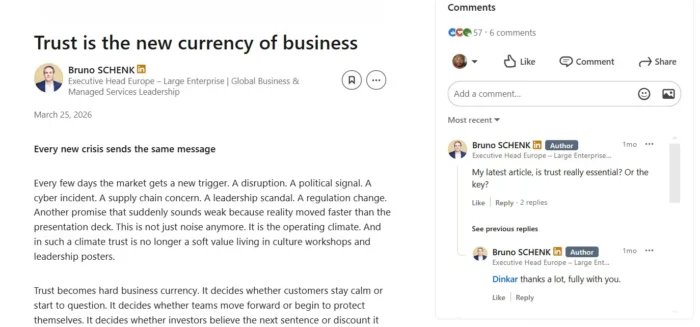
Understanding the Purpose of a LinkedIn Article
Before writing, it is important to define the purpose of your article. LinkedIn readers are not looking for entertainment. They are searching for practical information, professional opinions, and solutions to workplace challenges.
Common goals include:
Sharing industry knowledge
Explaining processes or trends
Offering career guidance
Providing professional insights based on experience
Each article should focus on one clear topic. Trying to cover too much in a single article often reduces clarity and reader engagement.
Choosing the Right Topic for LinkedIn Readers
Topic selection plays a key role in article performance. In 2026, effective LinkedIn topics are specific, experience-driven, and easy to understand.
What Makes a Strong LinkedIn Article Topic
A strong topic should:
Address a real professional problem
Reflect your experience or expertise
Be relevant to your target audience
Avoid sales-focused language
For example, instead of writing broadly about “content marketing,” focus on a narrower subject such as writing professional articles or improving workplace communication.
Structuring Your LinkedIn Article Correctly
Structure determines whether readers stay or leave. A well-organized article is easier to scan and understand.
Recommended Article Structure
A LinkedIn article should include:
A clear title
An introductory paragraph explaining the value
Headings (H2 and H3) for sections
Short paragraphs (2–3 lines)
A conclusion that summarizes key points
Avoid long text blocks. Professionals often read LinkedIn articles during breaks, so readability matters.
Writing Style That Works on LinkedIn in 2026
The writing style should be direct, professional, and informative. Avoid exaggerated claims or marketing-heavy language. Readers value clarity and honesty over complex wording.
Best Practices for Writing
Use simple, professional language
Write in an active voice
Avoid unnecessary jargon
Support points with examples or explanations
If you want your article to perform well, write as if you are explaining a concept to a colleague, not selling a service.
Using Keywords Naturally in LinkedIn Articles
Keyword placement helps your article remain discoverable. However, keyword stuffing reduces readability and trust.
When writing How to Write Articles for LinkedIn: A 2026 Guide, include the keyword naturally in:
The title
One heading
The introduction
The conclusion
Always prioritize reader experience over search visibility. If the article reads well, it performs better in the long term.
Publishing and Promoting Your LinkedIn Article
Once published, your article does not promote itself automatically. Sharing it strategically increases visibility.
Smart Promotion Tips
Share the article as a short post with context
Respond to comments to increase reach
Avoid reposting too frequently
Update older articles when needed
Consistency matters more than frequency. Publishing one well-written article regularly is more effective than posting many low-quality pieces.
Final Thoughts on Writing LinkedIn Articles
Learning How to Write Articles for LinkedIn: A 2026 Guide requires understanding your audience, structuring content properly, and maintaining a professional tone. LinkedIn remains a strong platform for long-form professional writing when articles are written with purpose and clarity.
By focusing on value-driven topics, clear structure, and readable language, your LinkedIn articles can support long-term visibility, credibility, and professional growth.
Comments